


Do you manage a restaurant, hotel, or café and are wondering what the rules are regarding lunch breaks for your employees? In France, lunch is sacred and we spend more time on it than the global average, even if some predict its decline. But more importantly, legislation governs the lunch break. Let's recap.
✅ What you should give your employees
The lunch break is an important time at work, especially in the hospitality industry. It's a time to relax, socialize, and disconnect, allowing you to recharge your batteries before heading back to the front line full of energy. A quick meal eaten between two tasks won't have the same effect and won't provide the expected benefits!
☝️ Time
This is the first thing you are required to give your teams. This is of course not only valid in the hotel and restaurant sector, but it's good to remember it in these places where the work pace can be (very) intense.
As soon as an employee works more than 6 hours on the same shift, a 20-minute break is required. But this is different from the meal break, which is mandatory as long as your employees work during regular meal times (lunch and dinner) and your establishment is open to customers.
Note that conditions exist like traditional breaks: any employee working less than 5 hours is entitled to one meal, and 2 meals beyond this duration. Part-time work is therefore already one meal. Scheduling management is simple with Skello. You have to feed your employees well so they are happy and efficient!
🥗 Food, but not just any food
The collective agreement for the hotel, café & restaurant industry is clear: all of your employees must receive a meal if the above conditions are met. But there is no question of only offering leftovers, a few fries or just meat: there are rules to follow (as is often the case).
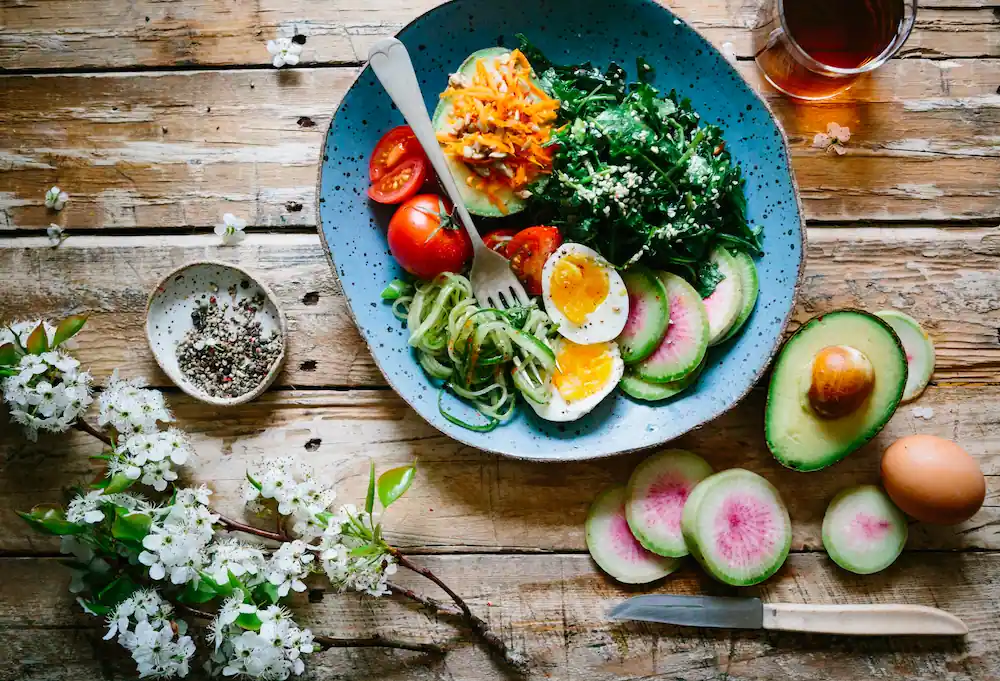
👉 Your teams must receive “healthy, abundant and varied” food, according to the CHR agreement. Rather exciting, but what does it mean in practice?
In practice, the information remains vague: a starter, a main course, a cheese or dessert, and a drink. It is therefore up to the employer to feed their staff in such a way that everyone has enough to eat, while consuming products that will ensure their good health. After all, the employer is responsible for the health of their employees. This therefore requires a good diet!
On the menu, therefore, fruits, vegetables, and varied foods that are not too fatty, not too sweet, nor too salty. You know the drill.
What you can't do ❌
💰 Deduct the value of the meal from the payroll
While meals provided to teams are not “given” without compensation, beware of the opposite: deducting the entire meal. In fact,a flat-rate amount must be deducted from the employee's pay slip for each meal. This benefit in kind dedicated to the meal is €3.62 (since January 1, 2019).
This is therefore valid regardless of the actual value of the meal, whether it is lower or significantly higher. This greatly simplifies the calculations and provides significant clarity. To manage these payroll operations more easily and simplify them even further, Skello has created an intuitive online tool for you.
🧐 Deducting meal breaks from actual working time
The meal break is not a working period, since the employee is free and disconnected from their work. It cannot therefore be deducted from actual working time.
Moreover, the same goes for all breaks, not just meal breaks! No break time can be deducted from working time.
🤔 Neglecting your employees' meal break
The risk of injury or illness increases dramatically when an employee does not benefit from an adequate meal break. By making someone work more than 5 hours in a row without a meal, you take a risk: that of harming their health, as well as the smooth running of your establishment.
Offering poor quality or poorly nutritious food, as mentioned above, is also not recommended. The risk of generating health problems is real and could be very damaging!
Eating well is the beginning of happiness, as the saying goes. It's also very important for a top-notch establishment and fulfilled, efficient teams. To benefit from all our advice, it's on the blog that it's happening and to easily manage schedules for your restaurant, hotel or bakery, payroll and your HR, try Skello!


%2520(1).avif)